
PEMUDAH
Public-Private Partnership in Business Regulation Reforms
About PEMUDAH
-
Pasukan Petugas Khas Pemudahcara Perniagaan (PEMUDAH), the Special Task Force to Facilitate Business, was established by the Federal Government of Malaysia on 7 February 2007 following its announcement in the Honourable Prime Minister’s annual address to the Civil Service on 11 January 2007.
The Chief Secretary to the Government (KSN) was designated as the Chairman of PEMUDAH, with the Co-Chair traditionally held by a private sector business leader. Since 2021, PEMUDAH has been co-chaired by the Minister of Economy, the KSN, and a private sector business leader.
Public sector members of PEMUDAH are primarily secretary-generals and director-generals of government ministries, agencies, and departments, while private sector members are drawn from prominent industry and trade leaders, as well as heads of non-governmental organisations.
Through collaboration between the public and private sectors, PEMUDAH has been driving policy and regulatory reforms, improving service delivery, and enhancing the overall business environment in Malaysia.
Currently, PEMUDAH’s focus areas are being realigned to the 10 topics of World Bank Business Ready (B-READY) to enhance the readiness of the regulatory framework and public sector service delivery, thereby supporting greater business efficiency.”
-
The initial scope of work of PEMUDAH was conceptualised from the methodology of the World Bank Group Doing Business Report which ranked economies worldwide on the ease of doing business.
PEMUDAH enhancement and improvement initiatives were pursued through Focus Groups, each co-chaired by a senior government official and a corporate leader with their memberships consisting of senior Civil Service administrators, professional practitioners and business community leaders.
The terms of reference of the Focus Groups were aligned with the ten business regulation indicators of the Doing Business Report. Malaysia’s performances scored on these indicators were benchmarked with the performance scores of the other economies. Malaysia was perennially ranked in the highest percentile grouping of economies in the report due to the many initiatives successfully undertaken.
The PEMUDAH Working Group on Efficiency Issues (WGEI) met monthly to consider policy and regulatory issues and assign them to the Focus Groups to be in-depth assessed by their working groups which put up recommendations. WGEI-sanctioned recommendations were escalated to the monthly PEMUDAH meetings for endorsement before their implementation subject to obtaining prior approvals, wherever applicable, from higher authorities.
The PEMUDAH organisational structure had undergone a change after its first decade milestone in 2017 when WGEI was discontinued and the work done by the Focus Groups was assumed over by Technical Working Groups still aligned with the business regulation indicators of the Doing Business Report.
The onset of the COVID-19 virus pandemic in Malaysia in March 2020 and the ensuing impositions of Movement Control Orders (MCOs) by the Government to control the spread of the virus had a huge adverse impact on businesses in those sectors of the economy deemed as non-essential. The unprecedented curtailment of goods and services production, distributive and retail trades and services compounded by supply chain breakdowns seriously challenged the very survivability of businesses.
PEMUDAH reacted swiftly to the crisis and instituted the PEMUDAH Private Sector Meeting in April 2020 specifically to address and help resolve issues bought about by the impact of the pandemic and the MCOs on economic sectors so as to assist businesses to tide over constraints related to workforce, supply chains, logistics, marketing, cash flows, workers’ vaccinations, etc. Solutions were recommended to the PEMUDAH meeting for endorsement and, where deemed necessary, for escalation to the Economic Action Council (EAC) chaired by the Honourable Prime Minister for further endorsement before being shared with the relevant government ministries, agencies and departments for implementation. Prior consultations with regulatory ministries, agencies and departments were inherent in the process of forming recommendations.
PEMUDAH is a partner in the MyMudah initiative launched by the Government in July 2020 to be operated in tandem with the online Unified Public Consultation (UPC) Portal to enable businesses to present, and have resolved, their concerns and on-the-ground difficulties over regulations hindering economic recovery and growth especially during the post-pandemic national economic recovery.
The cornerstone of PEMUDAH is the public and private sector collaboration which is being replicated such as the establishment of PEMUDAH Pahang in 2021. Outreach is being made to the business community at large primarily through the hosting of online topical webinars highlighting regulatory issues and encouraging discourses amongst stakeholders. Good Regulatory Practices (GRPs) are championed.
A major operational restructuring was finalised towards the end of 2021 for implementation in 2022. The work focus areas of the Technical Working Groups in terms of economic sectors will be re-aligned since the World Bank Group had ceased publishing the Doing Business Report and will also include key strategic national interest areas. This development serves to maintain the relevancy of PEMUDAH’s role in addressing and resolving the doing business-related current issues and challenges so as to enhance efficiency, productivity and competitiveness for a vibrant and prosperous business environment in Malaysia.
The stature of the PEMUDAH public and private sector collaborative taskforce is growing over the years and from strength to strength due to its pro-activeness and responsiveness to facilitate the doing of business in the various sectors of the economy by having government policies and regulations to be not more than what is necessary.
-
To enhance and strengthen the public and private sector delivery service in being globally benchmarked, proactive, responsive, business-friendly and results-oriented for greater efficiency, productivity, international competitiveness, sustainability and inclusiveness in the national economy which uphold the welfare of the people.
-
Promotes ease of doing business through Public-Private Partnership
Improve business regulations to enhance competitiveness
Proactively launch and pursuance of new improvement initiatives
Values of PEMUDAH
-

A Sense of Urgency
-

Proactive public- private sector collaboration
-

Facilitation, not hampering
-

No more regulation than necessary
-

Zero tolerance for corruption
Co-Chair of PEMUDAH
-

YBhg. Tan Sri Shamsul Azri bin Abu Bakar
Chief Secretary to the Government of Malaysia
-

YB Tuan Haji Akmal Nasrullah bin Mohd Nasir
Minister of Economy
-

Datuk Wira (Dr.) Hj. Ameer Ali Mydin
Advisor, Federation of Malaysian Business Associations (FMBA)
Members of PEMUDAH (2026- )
-

Tan Sri Wan Ahmad Dahlan bin Haji Abdul Aziz
Director General of Public Service
-

Datuk Johan Mahmood Merican
Secretary General of Treasury (MOF)
-

Datuk Azman bin Mohd Yusof
Secretary General
Ministry of Human Resources (KESUMA)
-
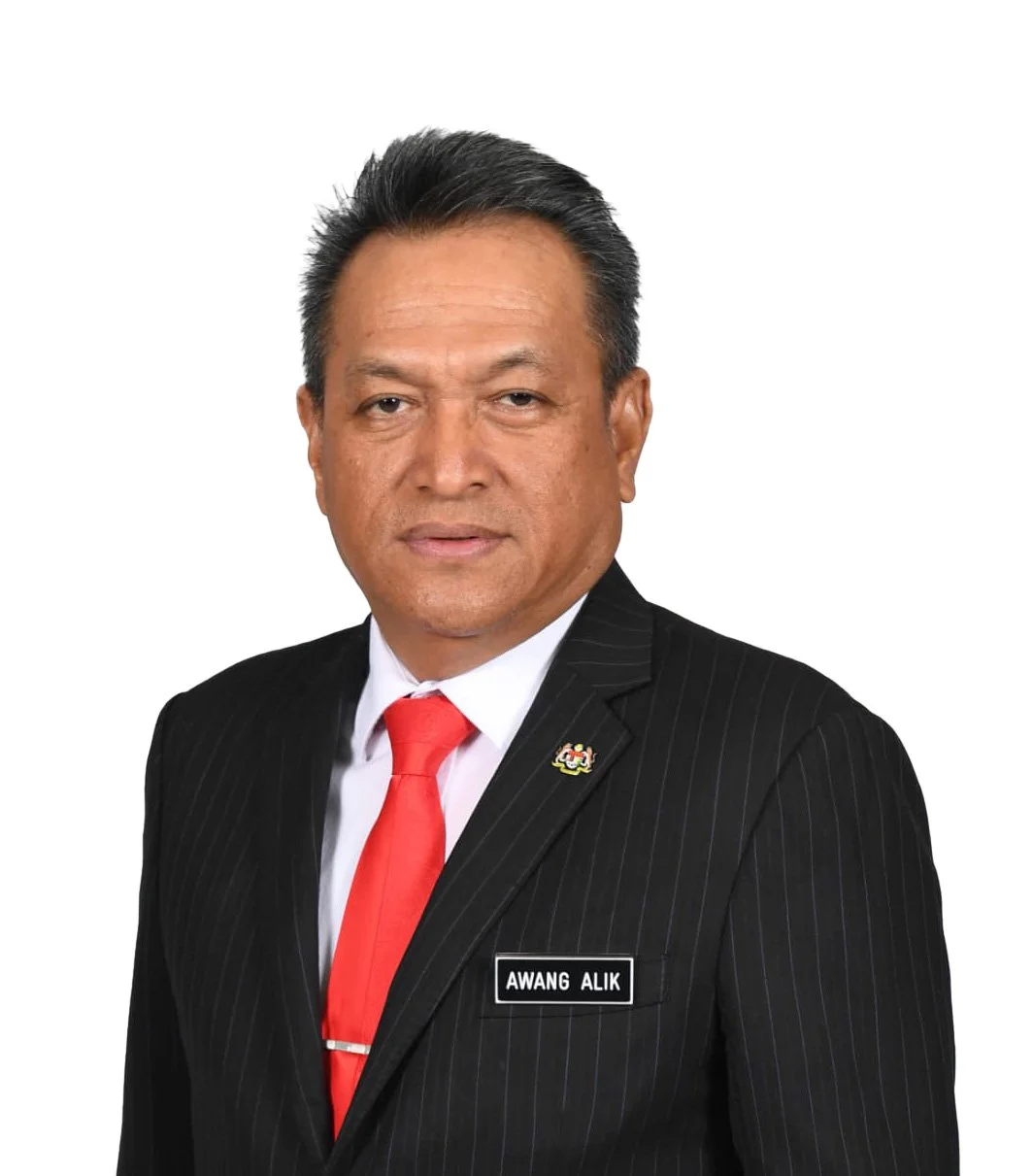
Datuk Dr. Awang Alik bin Jeman
Secretary General
Ministry of Home Affairs (KDN)
-
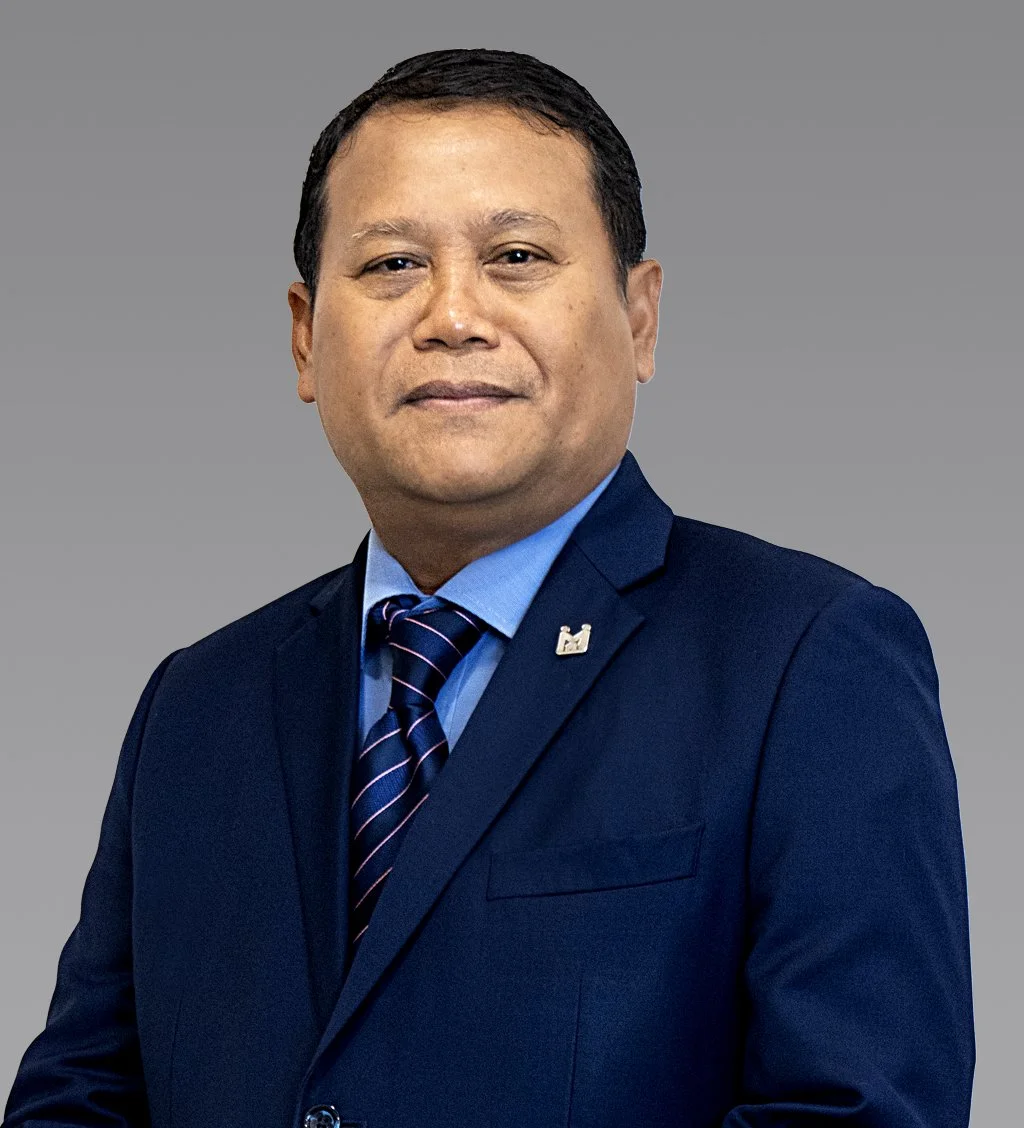
Datuk Seri Nor Azmie bin Diron
Secretary General
Ministry of Economy (KE)
-
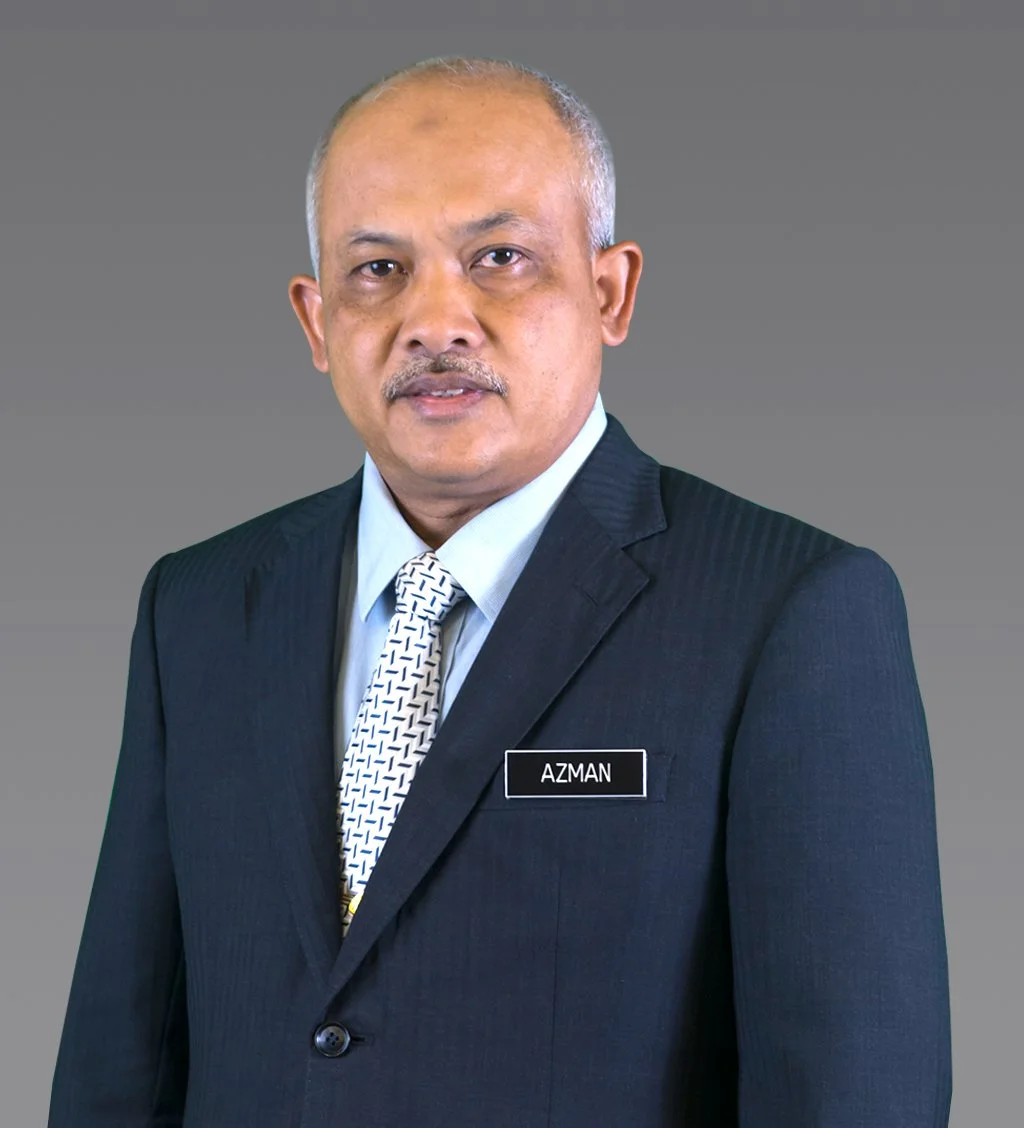
Datuk Wira Dr. M Noor Azman
Secretary General
Ministry of Housing and Local Government (KPKT)
-

Dato’ Seri Mohd. Sayuthi Bakar
Secretary General
Ministry of Domestic Trade and Costs of Living (KPDN)
-

Dato’ Sri Haji Mad Zaidi Bin Mohd Karli
Secretary General
Ministry of Energy Transition and Water Transformation (PETRA)
-

Datuk Wira Anis Rizana binti Mohd Zainudin
Secretary General
Ministry Of Natural Resources and Environmental Sustainability (NRES)
-

Dato’ Hairil Yahri Yaacob
Secretary General
Ministry of Investment, Trade and Industry
-
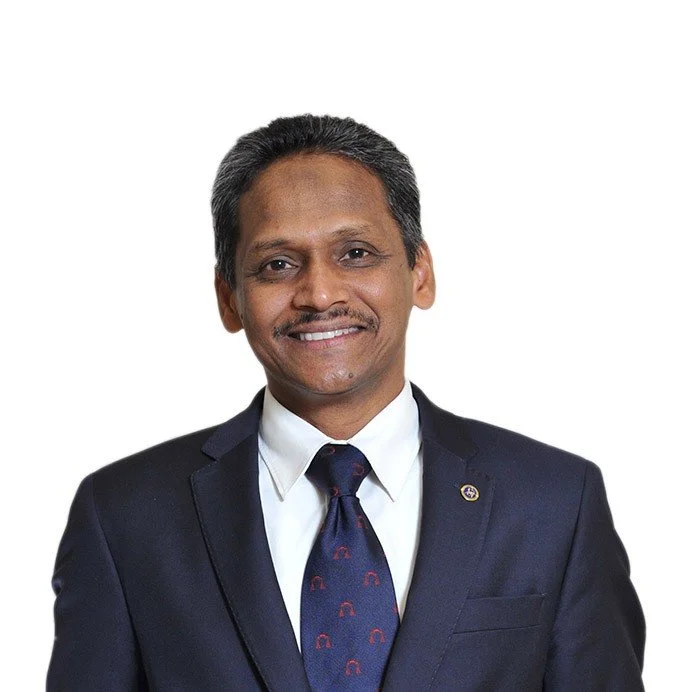
Datuk Shaik Abdul Rasheed Abdul Ghaffour
Governor
Central Bank of Malaysia
-
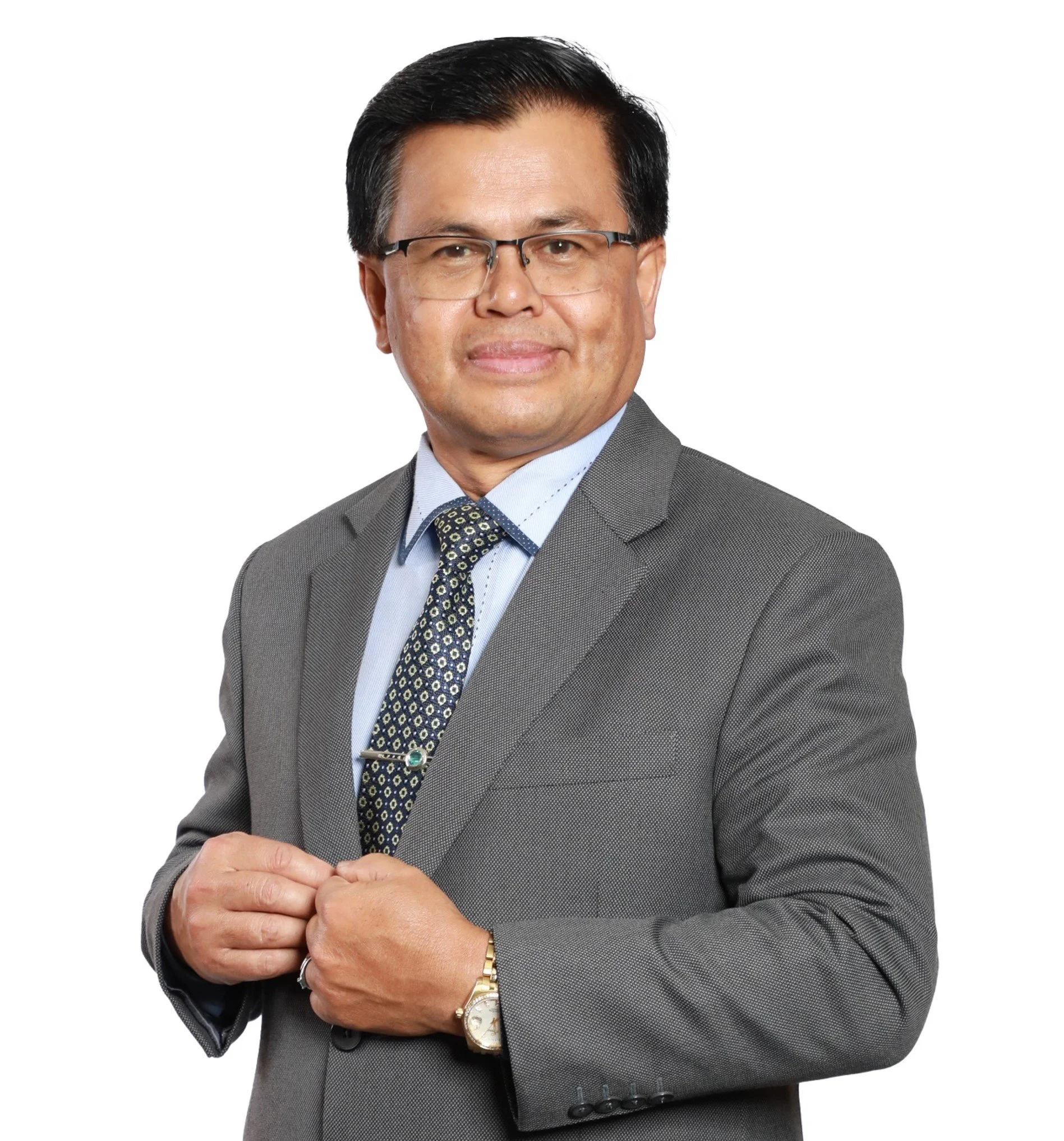
Dato' Hj. Mohd Fauzi bin Mohd Yatim
Director General
Department of Director General of Lands & Mines Federal (JKPTG)
-
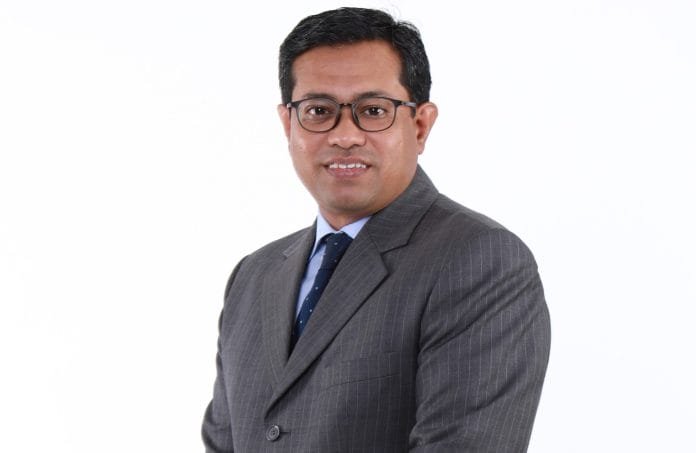
Datuk Sikh Shamsul Ibrahim Sikh Abdul Majid
Chief Executive Officer
Malaysian Investment Development Authority (MIDA)
-

Director General
Malaysia Productivity Corporation (MPC)
-
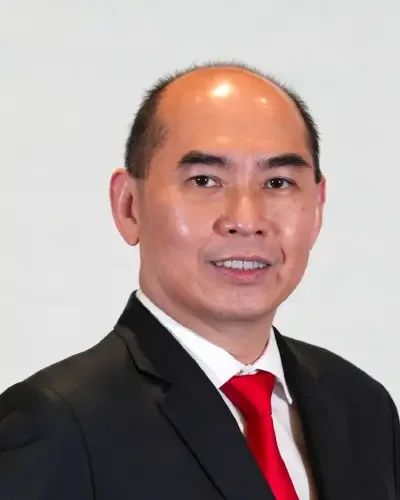
Datuk Ng Yih Pyng
President
The Associated Chinese Chambers of Commerce and Industry of Malaysia (ACCCIM)
-
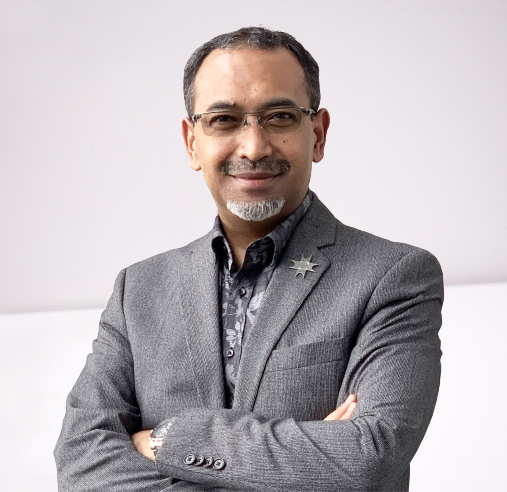
Datuk Ar. Ezumi Harzani Ismail
Co-Chair of the Professional Practice Committee
Malaysian Institute of Architects (PAM)
-
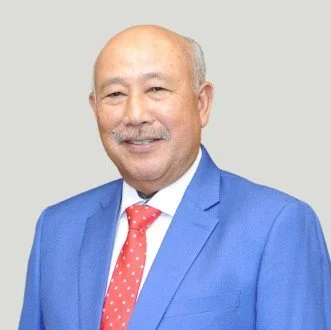
Datuk Wira Ir. Md Sidek Ahmad
Director/Board Member
Board of Engineers Malaysia (BEM)
-

Dato' Seri Wong Siew Hai
President
Malaysia Semiconductor Industry Association (MSIA)
-

Dr. Amina Josetta Kayani
Executive Director
Association of Banks Malaysia (ABM)
-

Mr. Jacob Lee Chor Kok
President
Federation of Malaysian Manufacturing (FMM)
-

Dato' Chua Tia Guan
Executive Director
Asia Business Centre
-

Dato’ Mary Lim Thiam Suan
President
Asian International Arbitration Centre (AIAC)
-

Datuk NK Tong
Past President
Real Estate and Housing Developers' Association Malaysia (REHDA)
-

Mr. Nursyahrin Hamidon
President
Malay Chamber of Commerce Malaysia (DPMM)
Immediate Past PEMUDAH Private Sector Members
-

Prof. Emerita Tan Sri Dato' Seri Dr. Sharifah Hapsah Syed Hasan Shahabudin
President
National Council Of Women's Organisation Malaysia (NCWO)
-

Tan Sri Dato' (Dr) Soh Thian Lai,
President Emeritus
The Federation of Malaysian Manufacturing (FMM)
-

Dato' Siobhan Das
Chief Executive Officer
American Malaysian Chamber of Commerce (AMCHAM),
-

Dr. Chris Daniel Wong
President Emeritus
The Malaysia Digital Chamber of Commerce (MDCC)
-
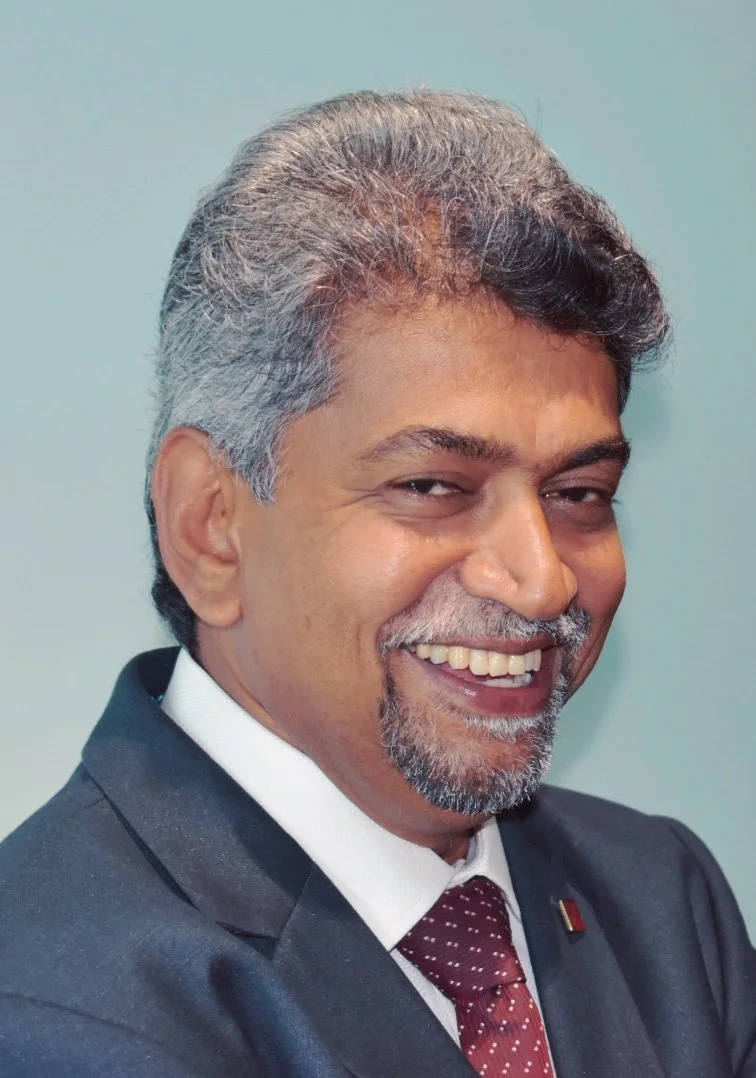
Dato’ Seri Gobalakrishnan Narayanasamy
President
Malaysian Associated Indian Chambers of Commerce and Industry (MAICCI)
“Policies and institutions that have worked in the past may no longer be appropriate for the next stage of Malaysia’s development. Malaysia needs to reforms to remove distortions, encourage innovation, strengthen competition in markets, improve the investment climate, and facilitate deeper regional integration.”
— Publication on Aiming High by World Bank Group,